





- 2Bedrooms
- 2Bathrooms
- 500 sq ft
A property description is a written or verbal account that provides detailed information about a real estate or physical property. This description is typically used in real estate listings, rental advertisements, or property assessments. A well-crafted property description aims to inform potential buyers, renters, or interested parties about the key features, characteristics, and amenities of the property. Here are some elements commonly included in a property description:
- Location: Begin by specifying the property’s address, neighborhood, city, and any relevant landmarks or proximity to important amenities like schools, parks, shopping centers, and transportation options.
- Property Type: Mention whether the property is a house, apartment, condominium, townhouse, commercial space, vacant land, or any other type of real estate.
- Size and Layout: Provide information about the property’s size in terms of square footage or square meters, the number of bedrooms, bathrooms, and any other relevant rooms or spaces.
- Features and Amenities: Highlight the unique selling points of the property, such as a swimming pool, garage, outdoor space, updated appliances, hardwood floors, or other attractive features.
- Condition: Describe the overall condition of the property, whether it’s brand new, recently renovated, or in need of repairs. Mention any recent upgrades or improvements.
- History: Share any historical or interesting information about the property, such as its age, previous owners, or architectural significance.
- Price and Terms: Specify the asking price or rental rate, as well as any additional costs like property taxes, homeowners’ association fees, or utility expenses. Include information about lease terms or any special conditions.
- Neighborhood and Community: Discuss the characteristics of the surrounding neighborhood and community, including safety, schools, parks, public transportation, and nearby attractions.
- Accessibility: Mention the accessibility of the property, including its proximity to major roads, highways, public transportation, and airports.
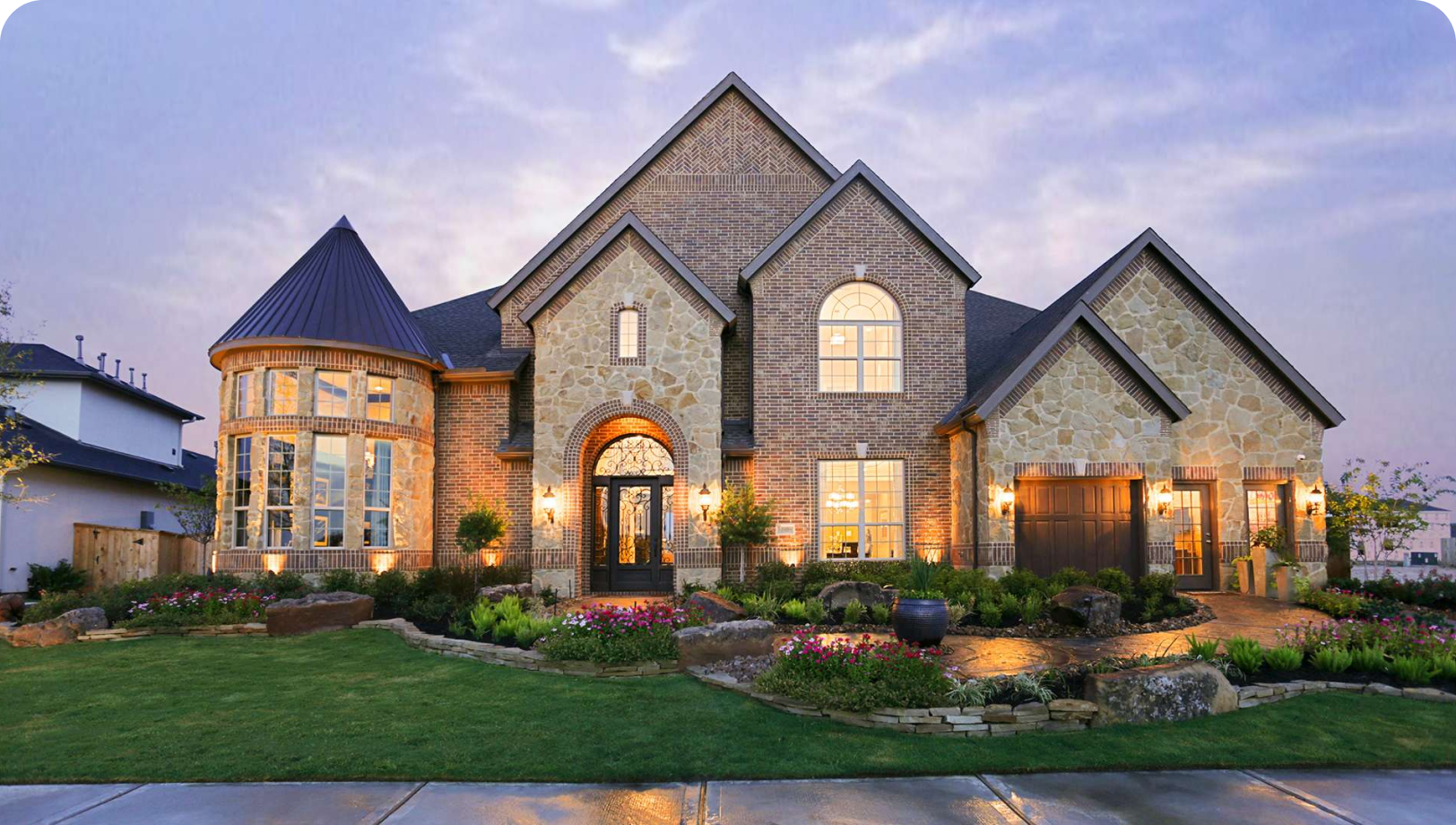
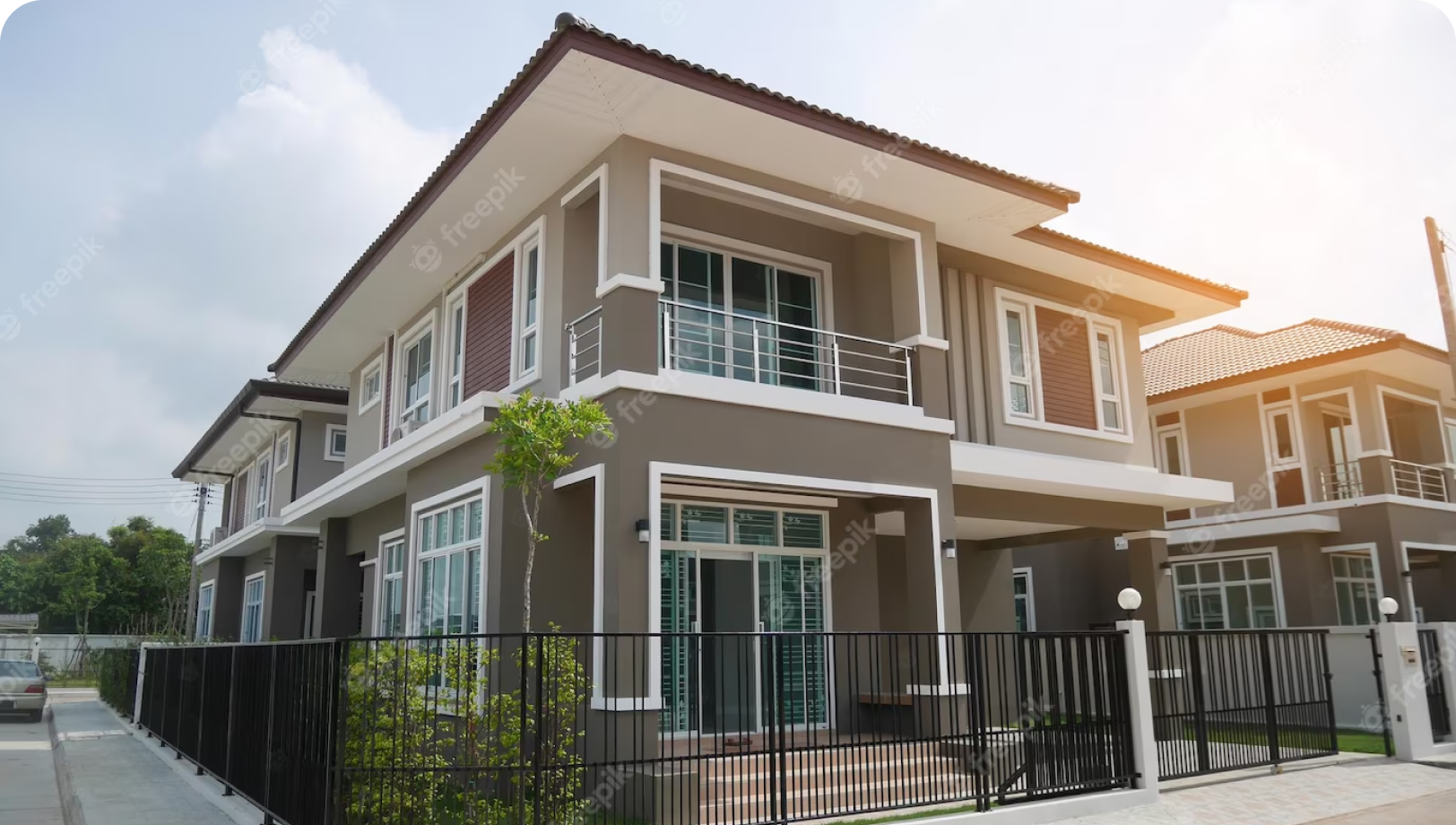
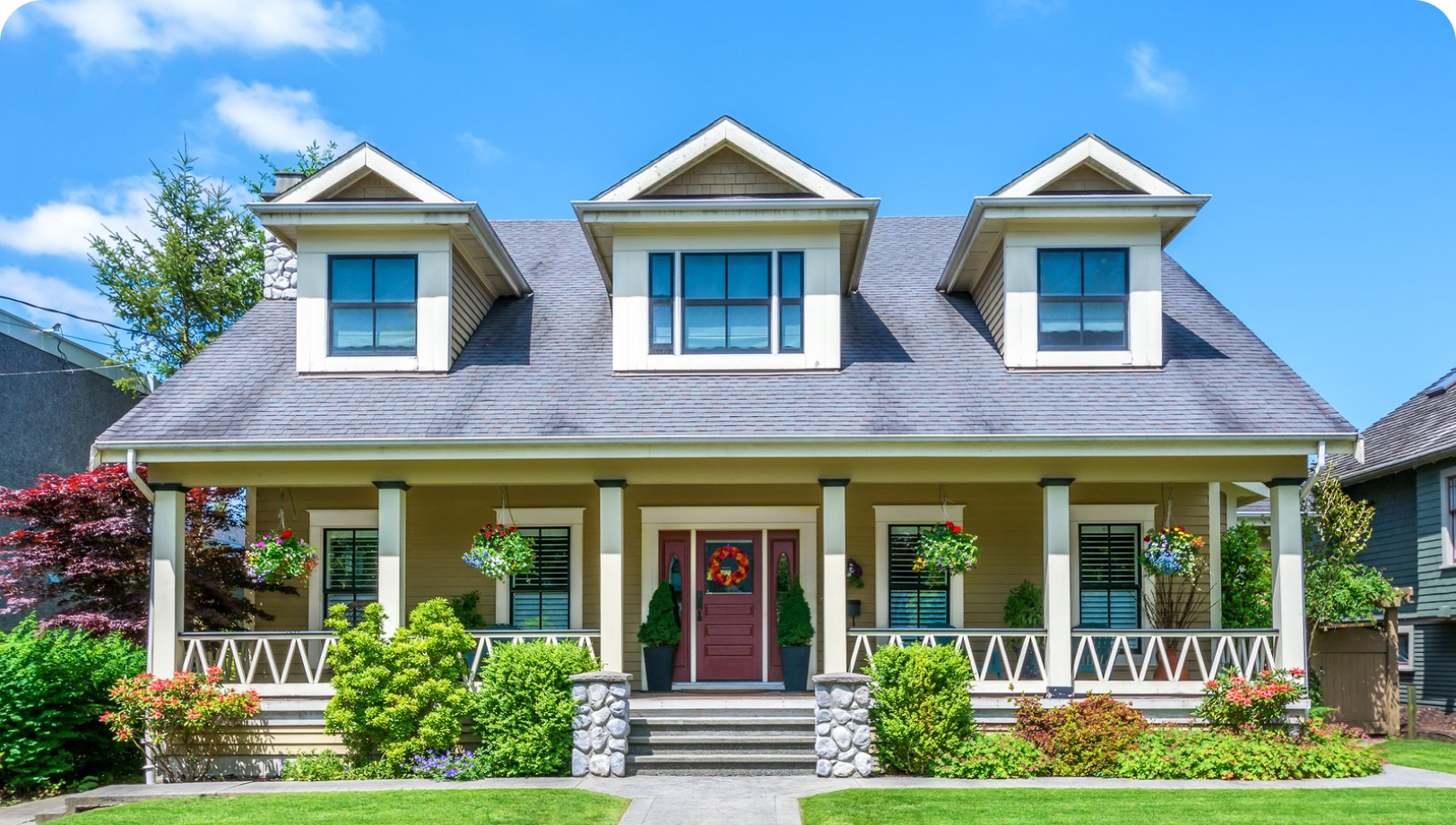
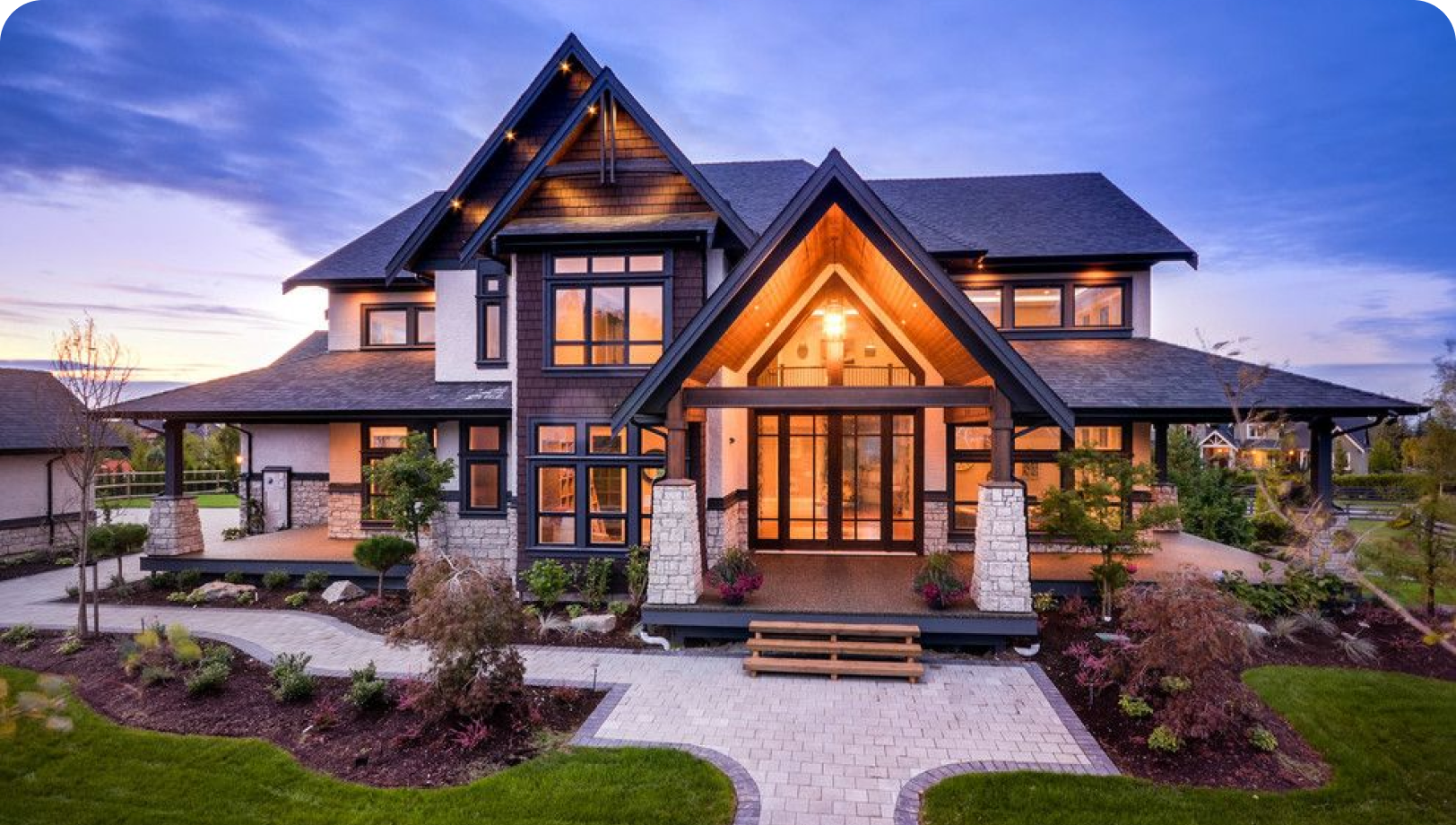
- Photos and Virtual Tours: Whenever possible, include high-quality photos or virtual tours that showcase the property’s interior and exterior, helping potential buyers or renters visualize the space.
- Contact Information: Provide the contact details of the person or agency responsible for selling or renting the property. Include phone numbers, email addresses, and any other relevant information.
A well-crafted property description should be accurate, informative, and appealing, helping potential buyers or renters make an informed decision about whether the property meets their needs and preferences. It should also adhere to any legal or ethical requirements related to property advertising and disclosure.